
Early exposure to role models lifts girls' interest in finance careers by 31%
Career stereotypes take hold as early as age six, according to new research, shaping which fields girls consider viable long before they reach the workplace. This piece looks at what the evidence says about closing gender gaps in STEM and finance, and why education, not just corporate policy, may be the more powerful lever for change.
Gender Finance: Women's crucial role in the future of Europe's investment market
Around €3.5trn in European assets will change hands by 2030, and women stand to be the main beneficiaries - controlling up to 45% of the EU's retail financial assets by the start of the next decade. For wealth managers and for the EU's Savings and Investments Union, that shift changes the terms of the game.
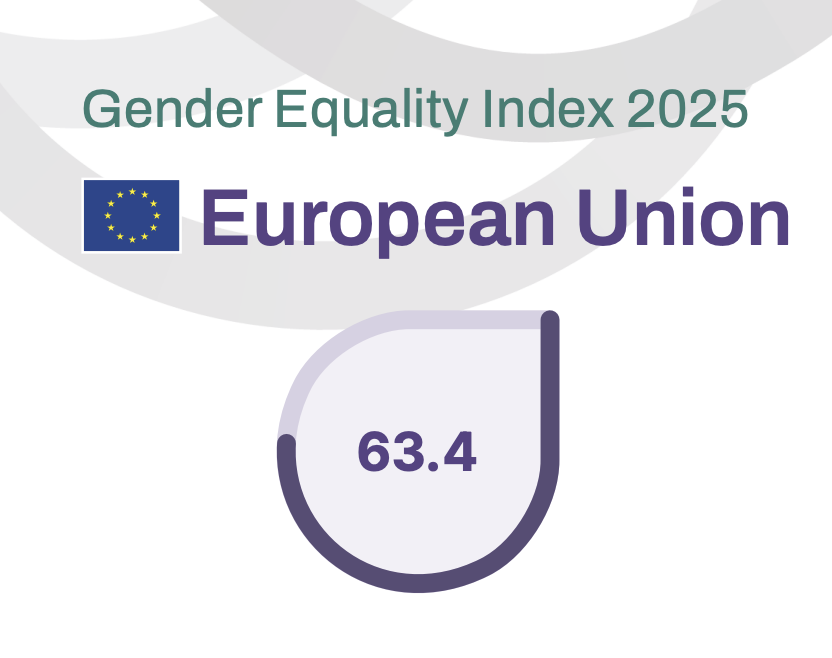
EU Gender Equality Index: women's financial insecurity underpinned by gender stereotypes
Gender equality in the EU is advancing: the bloc's 2025 Index score has climbed to 63.4, and women's earnings have risen to 77% of men's, up from 69% a decade ago. Closing the remaining gap now depends on shifting attitudes about who earns and who cares.
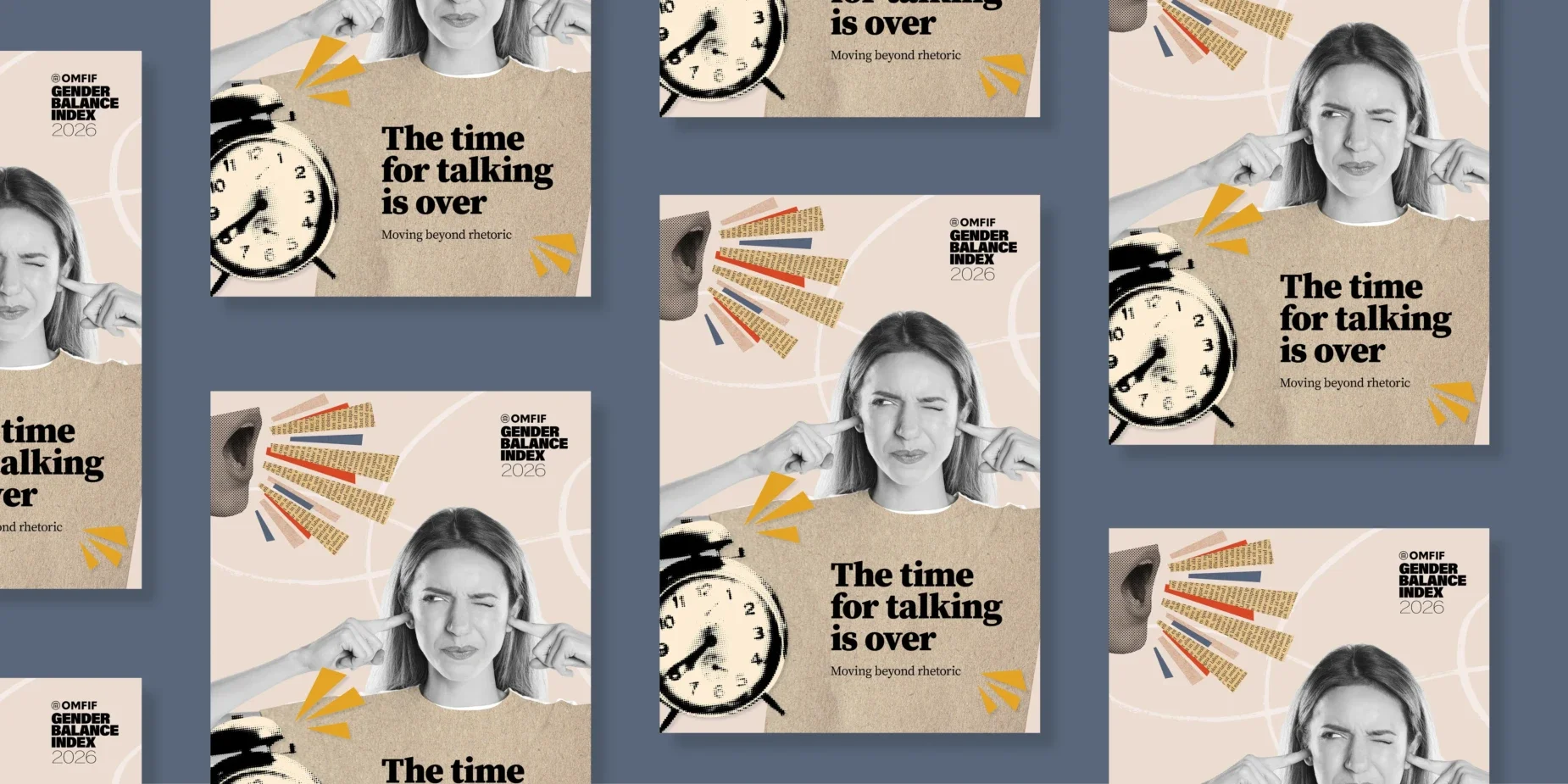
When Progress Isn't Enough: OMFIF's 2026 Gender Balance Index
Women now hold 19% of top leadership roles across major financial institutions - the highest level ever recorded. Yet at the current pace of change, full gender parity is still an estimated 22 years away. OMFIF's 2026 Gender Balance Index examines why progress remains uneven, and what targeted policy action can do to close the gap.
Women’s representation in Luxembourg finance rises gradually, WiF Charter report shows
Women now represent roughly one third of senior leadership roles among organisations participating in Luxembourg’s Women in Finance (WiF) Charter, according to the 2025 WiF Charter Progress Report. The report highlights gradual progress across the sector, while noting that gender balance at the most senior levels remains a challenge.
Female leadership linked to smaller gender pay gaps
Despite decades of progress, women remain significantly underrepresented in leadership positions across politics and business, and global gender inequalities persist. An article in the Financial Times highlights how slow progress has been in closing gaps in representation and pay, even as awareness and policy initiatives have expanded.
Young female founder rise across Europe - but funding gap remains
The number of young female entrepreneurs launching start-ups across Europe is rising, yet companies led by women continue to raise significantly less venture capital than those led by men, according to a study by Invest Europe and the European Investment Fund (EIF).
Gender equality and human rights gaining prominence in responsible finance
Gender equality and human rights considerations are increasingly moving to the forefront of responsible investment strategies, as investors seek to align financial performance with broader social impact. An article by LuxFLAG highlights how integrating gender and human rights lenses into finance can strengthen both investment outcomes and social resilience.
EU gender equality advances, but progress remains uneven across key domains
The Gender Equality Index 2025 shows the EU making steady but uneven progress, with gains in women’s decision-making roles offset by persistent inequalities in education, work quality and financial security. Luxembourg performs slightly above the EU average, reflecting stronger female participation and leadership, though challenges remain.

Women entrepreneurs: the hidden asset of European growth - Paperjam
If women created as many businesses as men, the wealth generated in Europe would jump by €250bn a year by 2040 according to a recent article by Paperjam.
Women manage record assets, still underrepresented - Investment Officer
According to a recent Investment Officer article, the latest Citywire Alpha Female report (September 2025) paints a mixed picture of gender progress in asset management. Over the past decade, assets managed by women have nearly tripled, rising from €1.7 trillion in 2016 to €4.7 trillion today.