The Luxembourg Gender Finance Task Force
The Luxembourg Gender Finance Task Force aims to support, drive and stimulate gender finance in the Luxembourg financial centre.
About the GFTF
The Luxembourg Gender Finance Task Force is dedicated to advancing gender finance within the Luxembourg financial sector. Its mission is to identify key opportunities and foster initiatives that drive progress in both "finance for women" and "women in finance." The Task Force works to develop sector-wide strategies, enabling actors in the Luxembourg financial centre to implement gender-focused financial solutions, either independently or through collaborations between public and private entities.
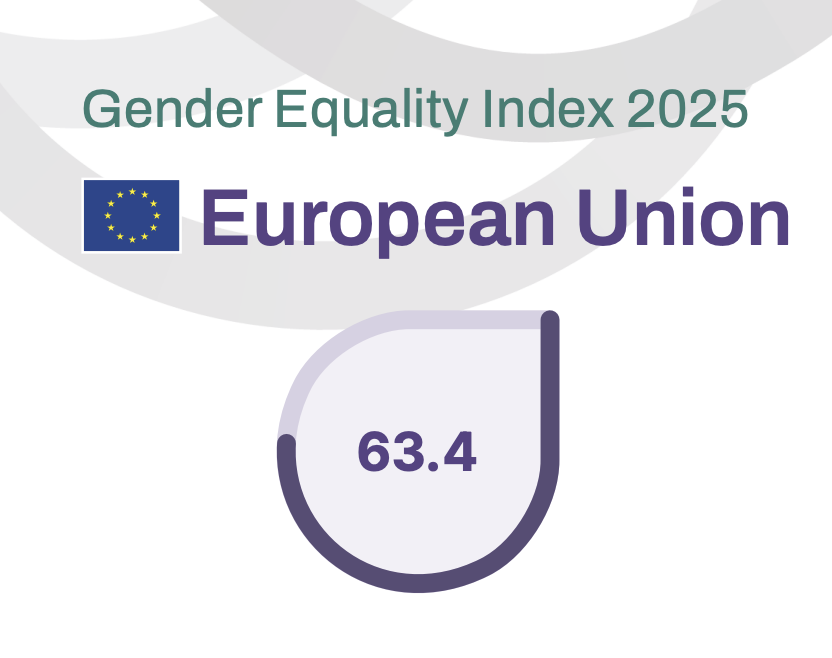
The Task Force's efforts align with Luxembourg’s strong performance in gender equality, particularly in the domain of finance. According to the European Institute for Gender Equality, which publishes the annual Gender Equality Index to track progress across EU Member States, Luxembourg ranks ninth overall within the EU. Since 2020, the country’s score has increased by 4.6 points.
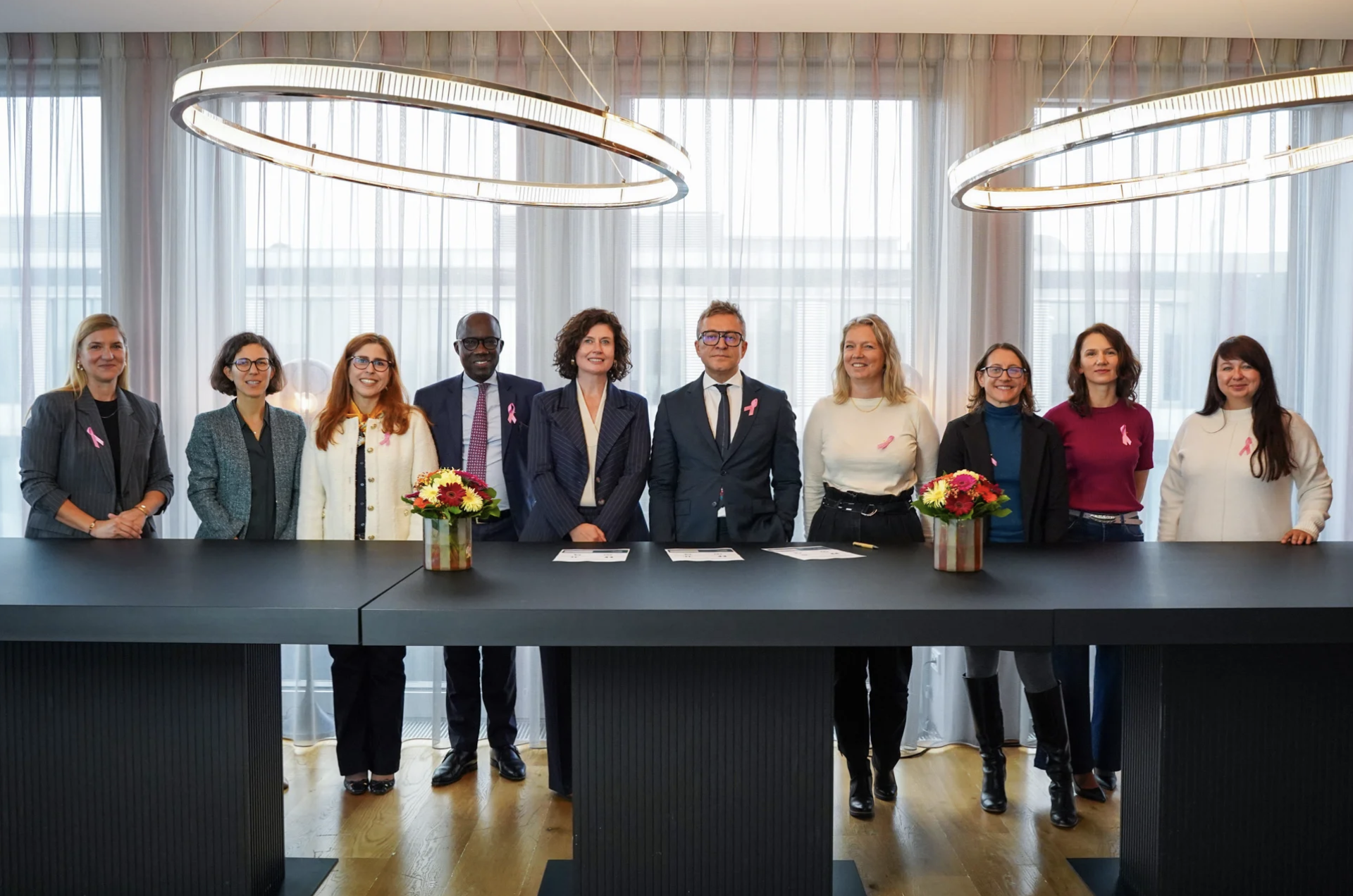
The Gender Finance Task Force is composed of a diverse group of representatives from the financial sector and organised by the Luxembourg Ministry of Finance. It is supported by 7 Working Groups.
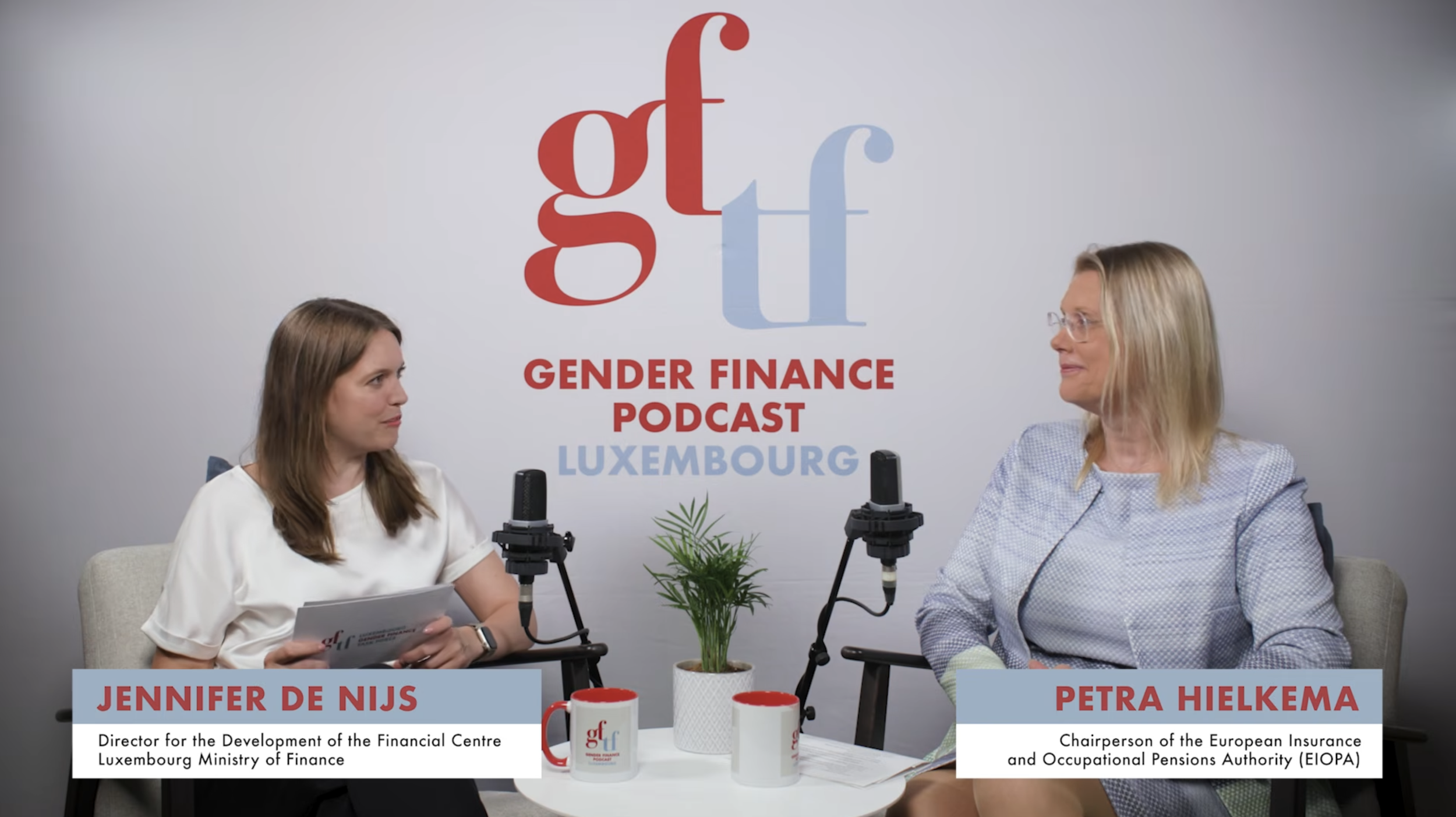
In the latest episode of The Gender Finance Podcast, we speak with Micaela Forelli, CEO of M&G Investments Europe and Vice President of EFAMA, about how gender finance is moving from commitment to integration within asset management.
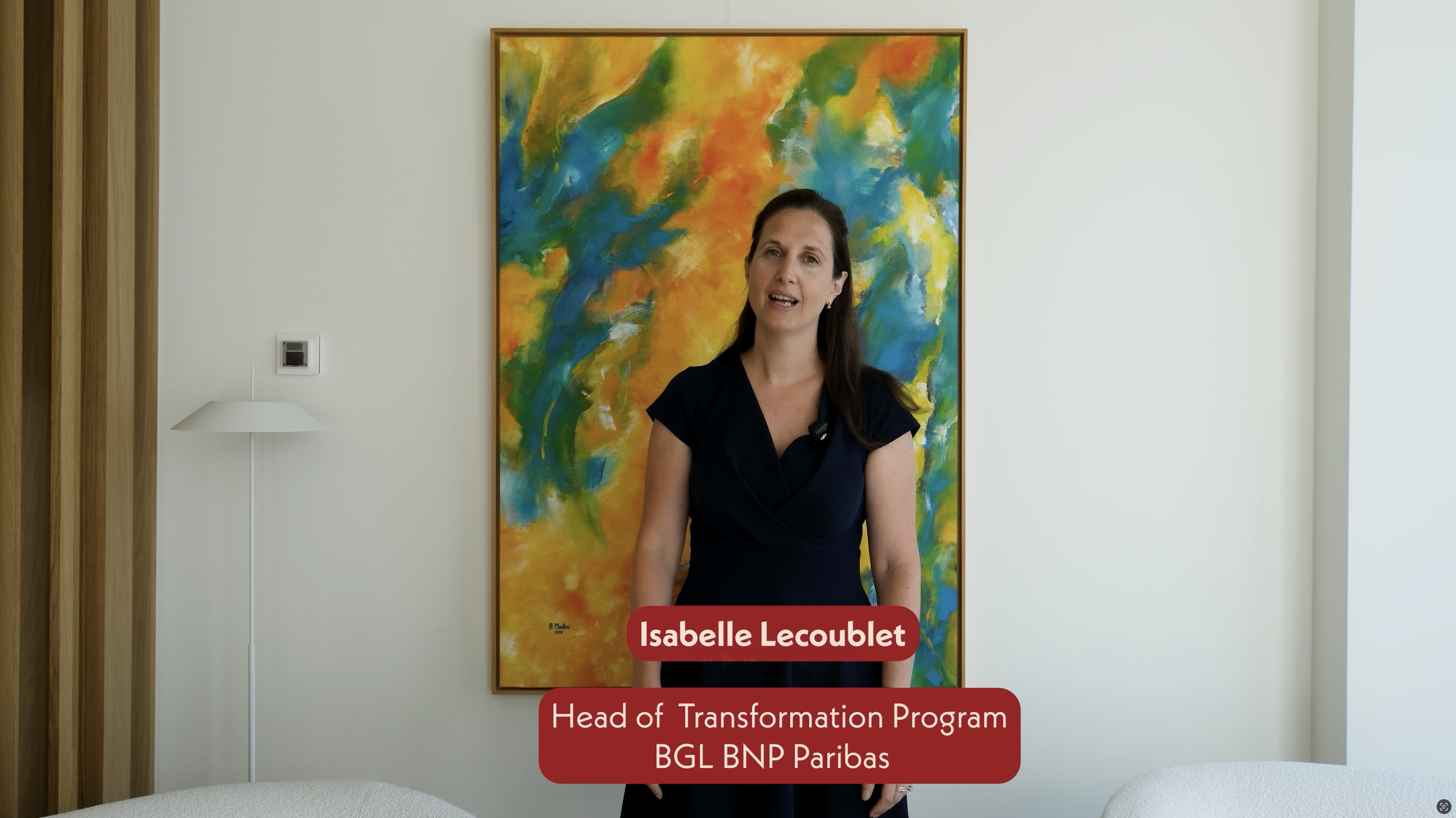
Murielle Yimgang, Chief Compliance Officer at Generali Luxembourg and a member of the Events, Communication and Talent working group explains why she feels the work of the GFTF is important and what her working group does.
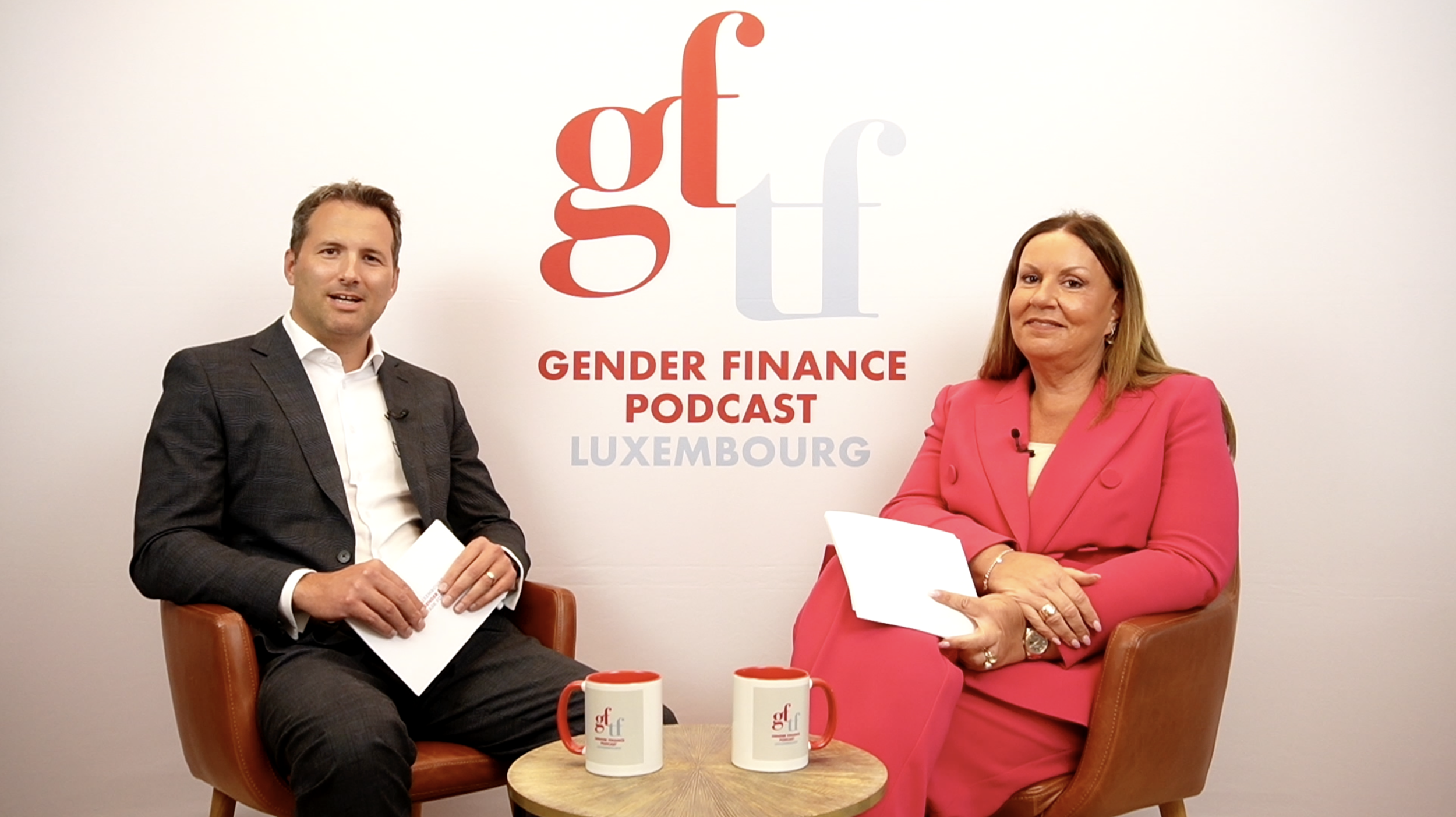
In Episode 3 of The Gender Finance Podcast, Cecabank Luxembourg CEO Brenda Bol explores how evolving workplace structures, culture, and flexibility are reshaping career paths and leadership in banking.
This International Women’s Day, we join the call to Give to Gain: a reminder that when we invest in women, we strengthen our entire economy. In this year’s International Women’s Day video, Minister Gilles Roth and members of the Gender Finance Task Force reflect on the persistent gender gaps in finance, and how to close them.
The 2025 Luxembourg Women in Finance (WiF) Charter Progress Report highlights gradual improvements in women’s representation across the financial sector, while underscoring persistent challenges in achieving gender balance at the highest leadership levels.
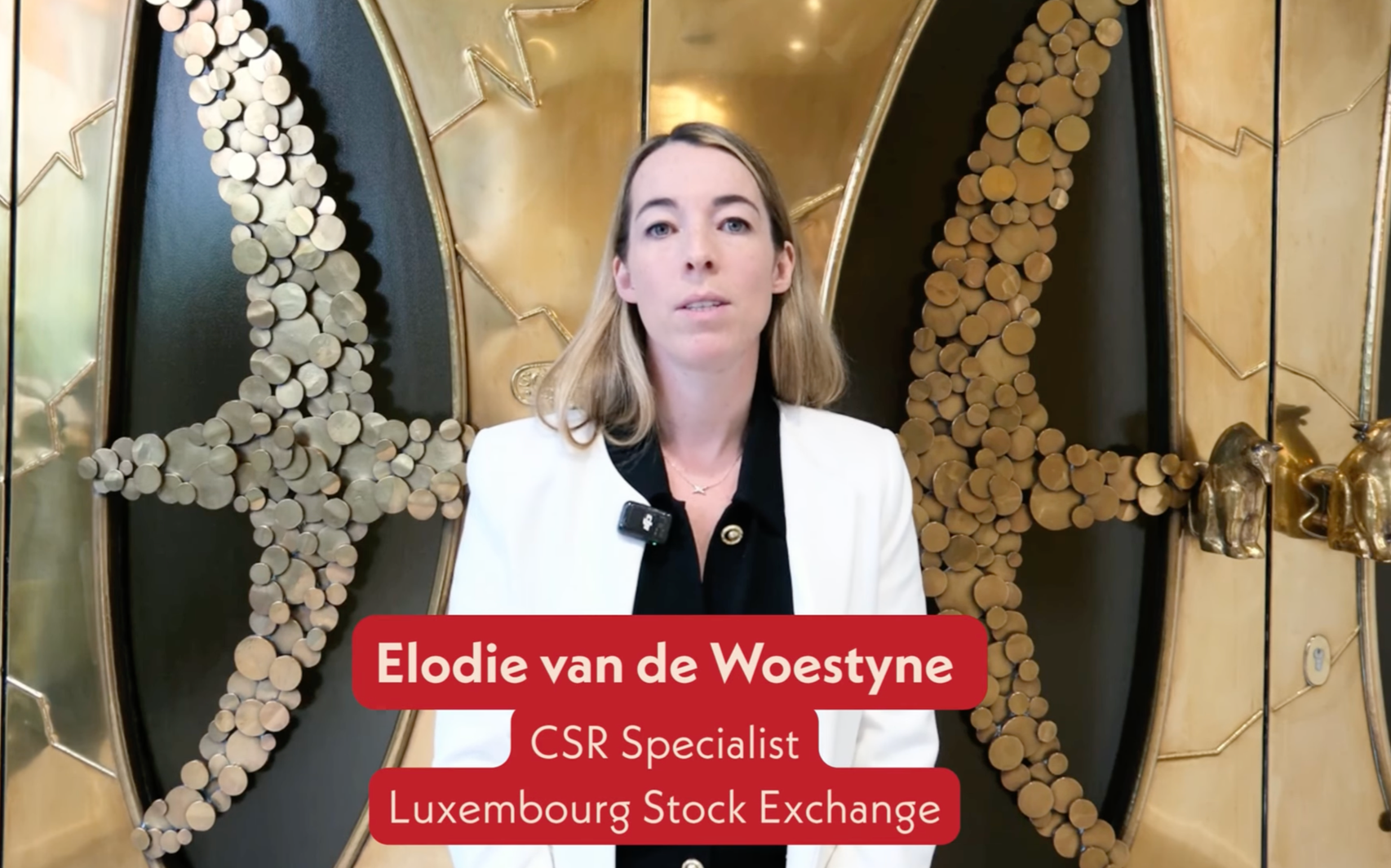
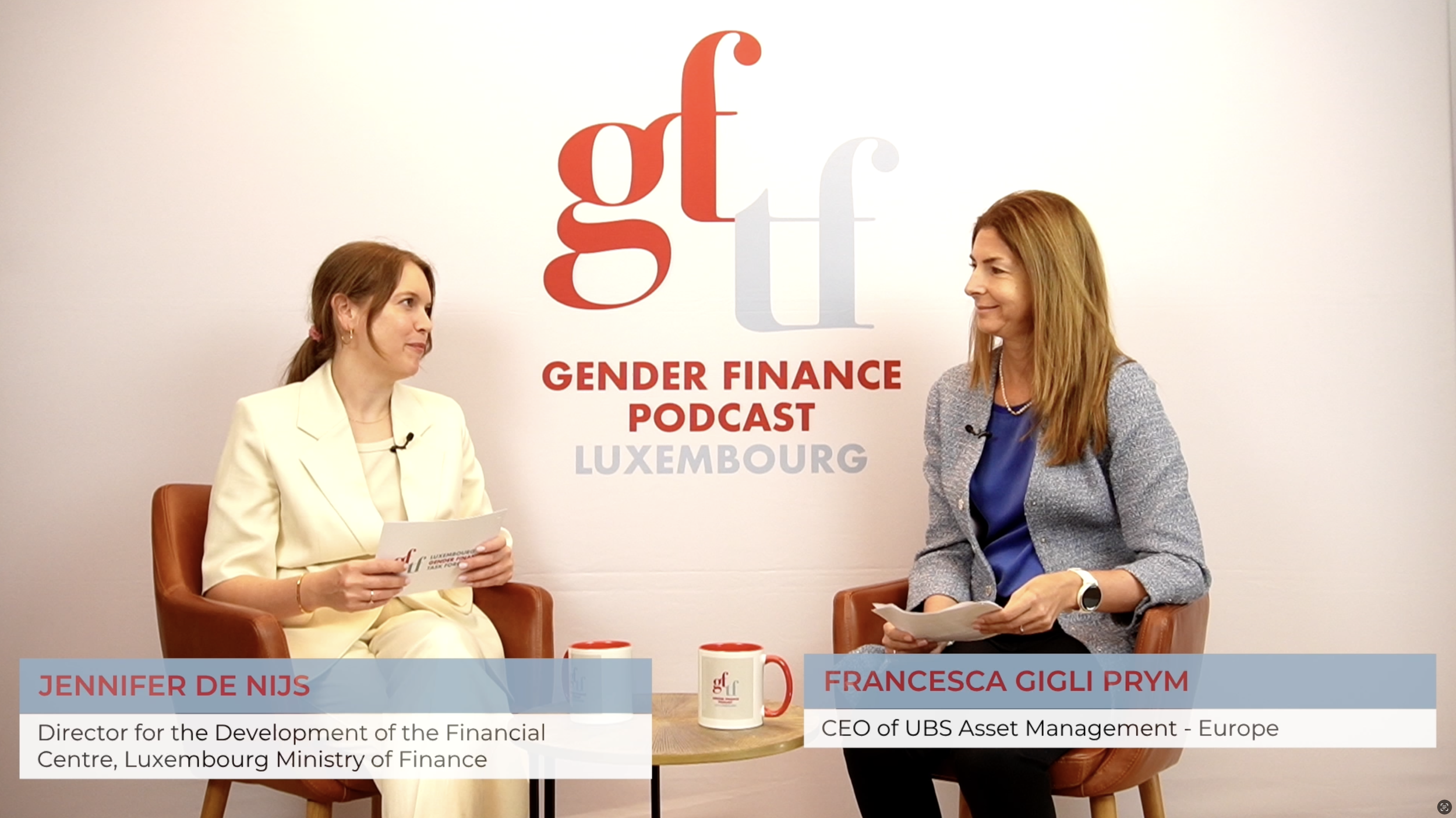
In the latest episode of The Gender Finance Podcast, Julie Becker, CEO of the Luxembourg Stock Exchange, joins host Jenny de Nijs, Chair of the Gender Finance Task Force, for an honest and insightful conversation about advancing gender equality in the financial sector.
Women now hold 19% of top leadership roles across major financial institutions - the highest level ever recorded. Yet at the current pace of change, full gender parity is still an estimated 22 years away. OMFIF's 2026 Gender Balance Index examines why progress remains uneven, and what targeted policy action can do to close the gap.
Women now represent roughly one third of senior leadership roles among organisations participating in Luxembourg’s Women in Finance (WiF) Charter, according to the 2025 WiF Charter Progress Report. The report highlights gradual progress across the sector, while noting that gender balance at the most senior levels remains a challenge.
Despite decades of progress, women remain significantly underrepresented in leadership positions across politics and business, and global gender inequalities persist. An article in the Financial Times highlights how slow progress has been in closing gaps in representation and pay, even as awareness and policy initiatives have expanded.
The number of young female entrepreneurs launching start-ups across Europe is rising, yet companies led by women continue to raise significantly less venture capital than those led by men, according to a study by Invest Europe and the European Investment Fund (EIF).
Gender equality and human rights considerations are increasingly moving to the forefront of responsible investment strategies, as investors seek to align financial performance with broader social impact. An article by LuxFLAG highlights how integrating gender and human rights lenses into finance can strengthen both investment outcomes and social resilience.
The Gender Equality Index 2025 shows the EU making steady but uneven progress, with gains in women’s decision-making roles offset by persistent inequalities in education, work quality and financial security. Luxembourg performs slightly above the EU average, reflecting stronger female participation and leadership, though challenges remain.